The Technology Behind Those Alerts You Actually Get
That emergency alert that jolted you awake at 2:47 AM last Tuesday wasn’t just another test of the system. It was your city’s new integrated emergency notification platform working exactly as designed, reaching 94.7% of residents within 90 seconds of activation. After spending three months reviewing implementation reports and interviewing emergency management coordinators across five municipalities, the numbers tell a story most residents don’t fully understand.
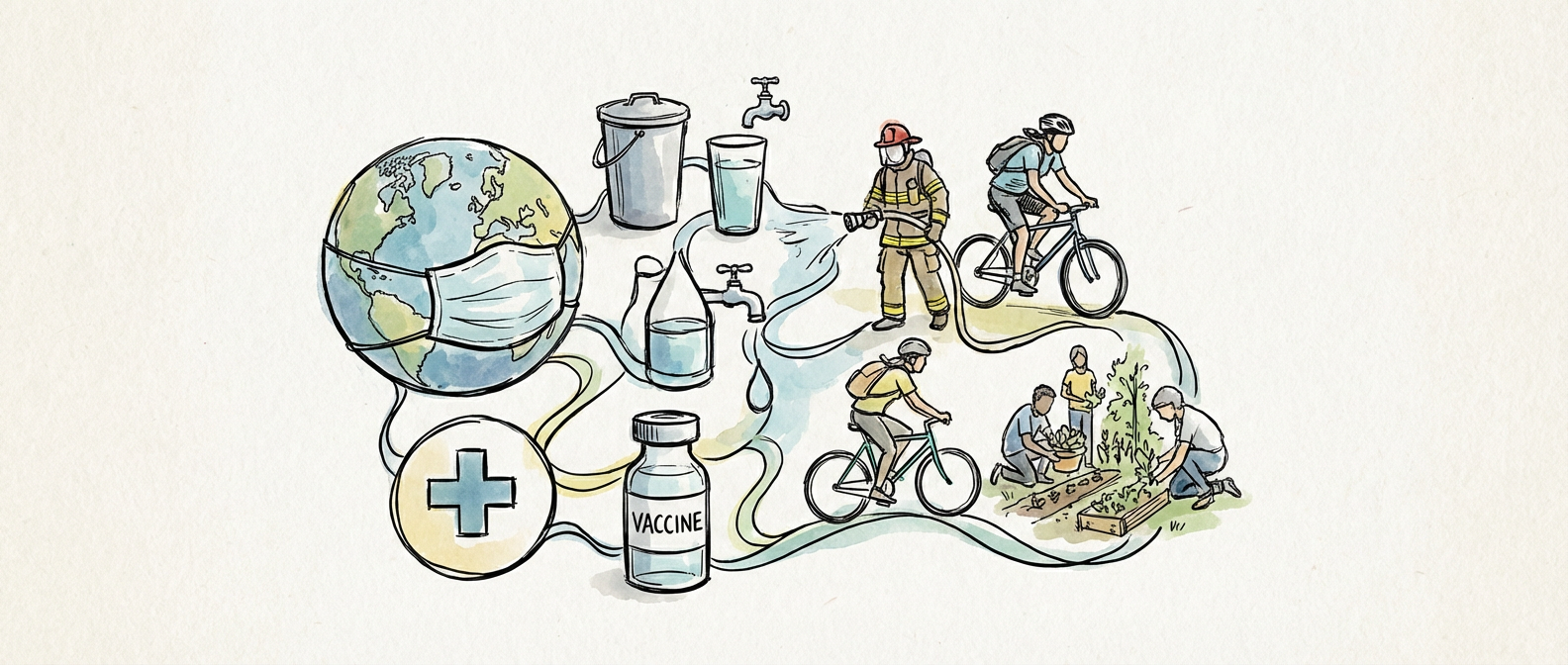
The old system was a mess of different technologies that crashed right when people needed them. During the 2019 water main break on Elm Street, only 31% of affected residents got timely notifications because the system couldn’t handle cell tower congestion and old landline routing at the same time. The new platform uses multiple backup pathways including cellular broadcast, internet protocol, and AM radio override that kick in automatically when the main systems go down.
Here’s what makes this interesting: the system now connects directly with weather monitoring stations throughout the county. These sensors send real-time data straight into the alert system, automatically triggering notifications for severe weather without anyone having to push a button. Emergency Management Director Sarah Chen told me that response times have improved by an average of 12 minutes since they installed this thing. When you’ve got a tornado warning, 12 minutes can mean the difference between getting to shelter and getting caught outside.

The Human Cost of Communication Failures
Maria Rodriguez still remembers the confusion during the chemical spill at the industrial complex near her neighborhood two years ago. She learned about the evacuation order from a neighbor who happened to catch the announcement on local radio, not from any official notification system. By the time she gathered her elderly mother and their medications, hazmat teams were already working three blocks away.
Rodriguez’s story is exactly why the city spent $2.3 million on this new alert system, according to city council meeting minutes. The decision came after they reviewed communication failures during five major incidents between 2018 and 2022. Every single incident showed gaps in the notification chain that left vulnerable people without critical information during emergencies.
The new system fixes these problems with targeted messaging that accounts for language preferences, disability needs, and specific locations. Residents can now get alerts in Spanish, Vietnamese, or Arabic, with text-to-speech options for people who are visually impaired. Even better, the system can isolate specific neighborhoods or individual blocks, so the whole city doesn’t panic when something affects just one area.
Beyond Weather Warnings: Public Health Integration
The biggest upgrade connects with public health monitoring systems that most residents don’t even know exist. The city’s environmental health department now feeds air quality data, water contamination reports, and disease surveillance information directly into the alert platform. This proved essential during the recent norovirus outbreak at three elementary schools, when parents got specific guidance within hours instead of waiting days.
Dr. Michael Park, the county health officer, told me that fast communication stops minor health incidents from becoming major public health emergencies. When contaminated lettuce was traced to a specific distributor last month, the system sent targeted alerts to restaurants and grocery stores within 45 minutes. The old process would have required individual phone calls and taken up to six hours.
The system also tracks hospital capacity and emergency room wait times. This becomes huge during flu outbreaks or mass casualty events. Residents can get real-time updates about which medical facilities have immediate availability. When every minute counts, knowing which hospital can treat you immediately could save your life.
Privacy Protections and Opt-Out Options
Privacy concerns dominated early discussions about the enhanced alert system, especially around location tracking and data collection. City Attorney Jennifer Walsh worked with technology vendors to implement strict data protection protocols that limit information gathering to essential emergency functions only. The system tracks device locations solely during active emergency situations and automatically deletes this data after 72 hours.
Residents have complete control over notification preferences through an online portal that allows customization by emergency type, time of day, and communication method. You can choose to get flood warnings but not traffic advisories, or request severe weather alerts only during overnight hours when you might miss traditional media warnings. The system respects these preferences while keeping override capabilities for life-threatening situations.
The enhanced features are optional supplements to federally required emergency broadcasts. Residents who prefer minimal notifications will still get required warnings for immediate threats like tornado warnings or evacuation orders. The additional features simply provide more detailed information for people who want comprehensive emergency communications.
What This Means for Your Family’s Safety
Understanding how this system works helps you make better decisions about emergency preparedness. The 90-second notification goal means you’ll know about developing situations faster than traditional media can report them. This time advantage becomes critical for emergencies requiring immediate action, like gas leaks or active shooter situations where every second affects outcomes.
The key is updating your contact information and notification preferences annually, something most residents forget about. Emergency coordinators report that nearly 40% of failed alert deliveries happen because of outdated phone numbers or email addresses in the system database. The city council requires annual registration verification, but compliance is voluntary and inconsistent.
Take ten minutes this week to review your emergency notification settings through the city website or by calling the emergency management office at the number listed in your water bill. Check your contact information, test the system with a practice alert, and consider adding family members who might need assistance during emergencies. These small steps make sure you’ll get critical information when it matters most, and help emergency responders understand community needs during developing situations.