The Scale of the Crisis
Trust in media has hit rock bottom. Global surveys show that public confidence in news organizations has dropped to record lows across developed nations. This collapse affects everything from traditional newspapers to broadcast television to digital platforms.
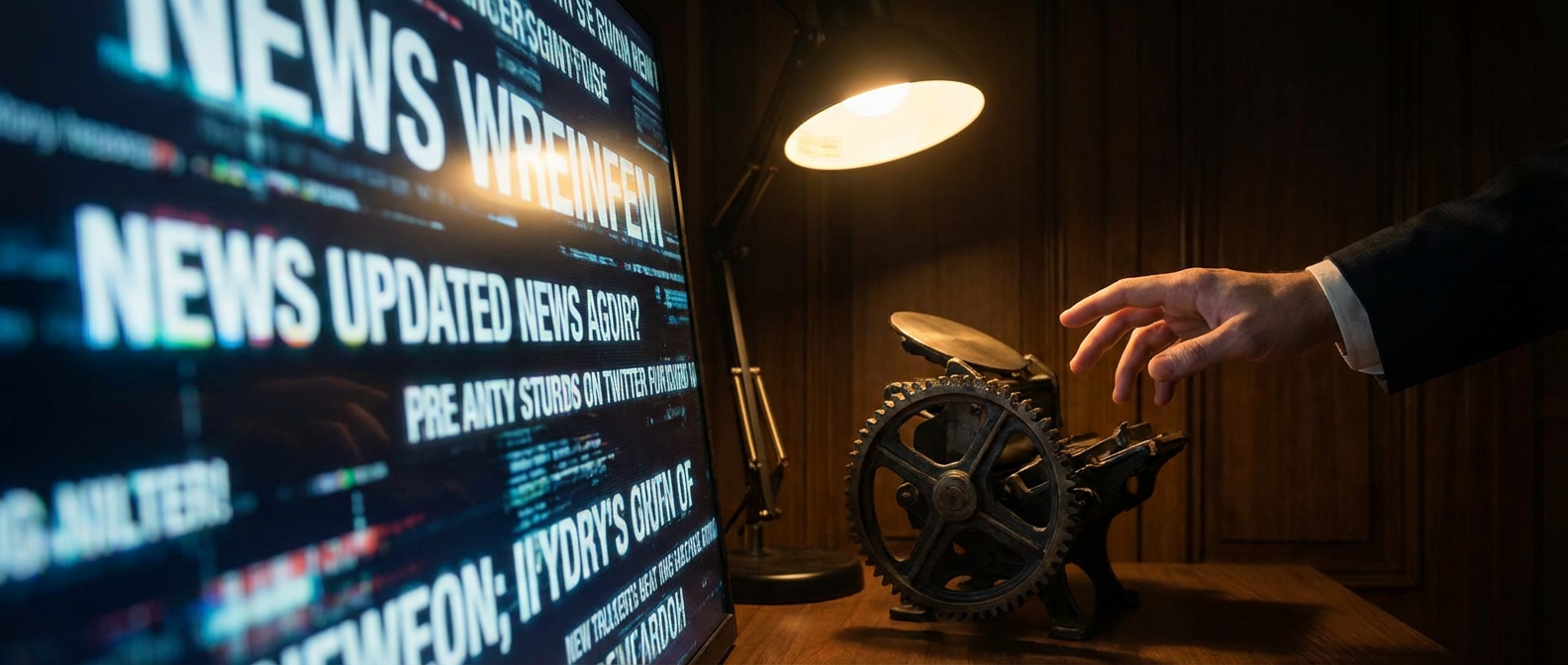
The breakdown isn’t happening evenly across the board. Different groups give wildly different credibility scores to the same outlets. What one audience considers solid journalism, another writes off as biased propaganda. We’re living in separate information bubbles where agreeing on basic facts gets harder every day.
The damage goes well beyond journalism. When people can’t agree on what’s actually true, having productive democratic conversations becomes almost impossible. Policy debates turn into arguments about whether problems even exist in the first place.
Political Divides Drive Credibility Gaps
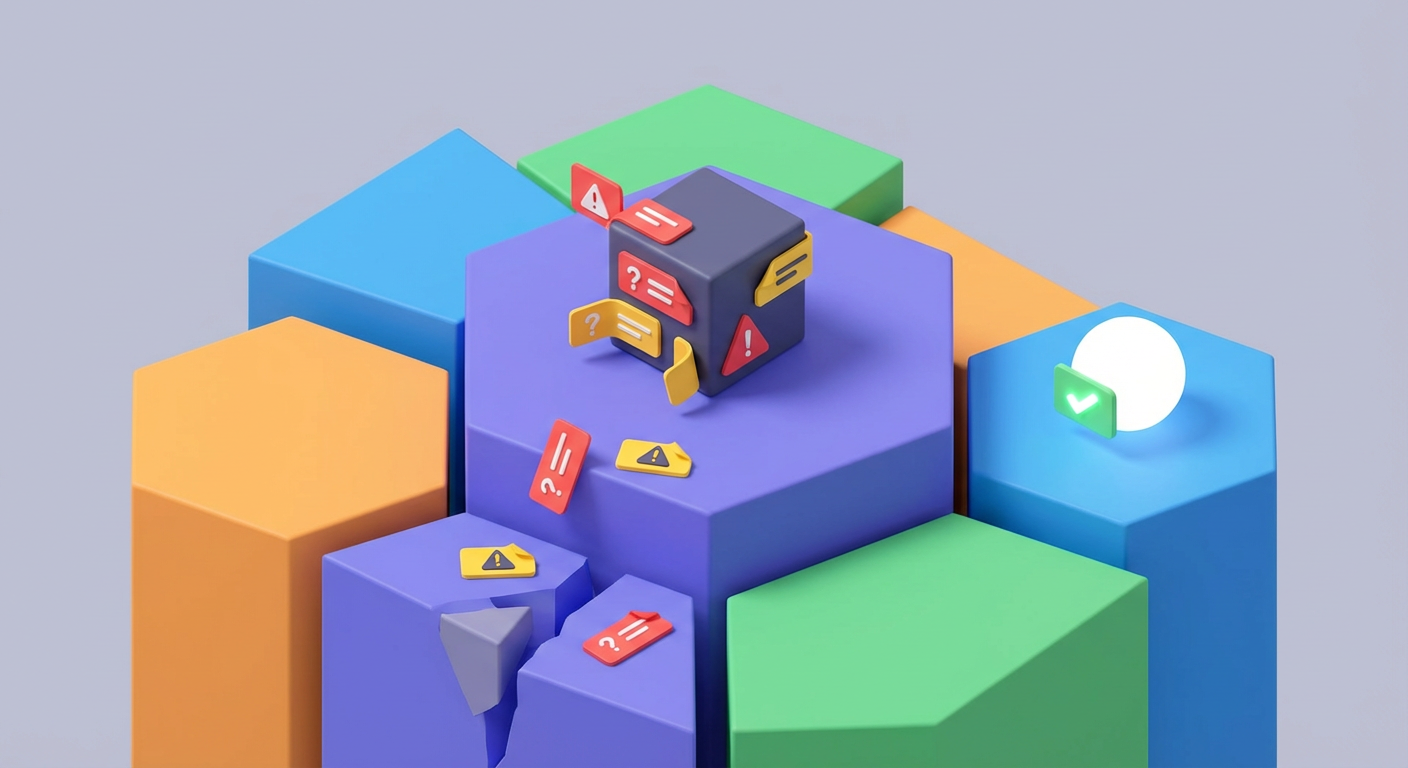
Political identity has become the main way people decide which news sources to trust. Research shows that partisan loyalty predicts trust levels better than actual journalistic quality. Conservatives trust completely different outlets than liberals do, and those bubbles rarely overlap.
This split got much worse during major political events and crises. Elections, pandemic responses, and international conflicts became tests of loyalty for news organizations. Outlets found themselves labeled as partisan allies whether they wanted that role or not.
The Reuters Institute Digital News Report shows how these trust patterns change dramatically from country to country. Nations with strong public broadcasting tend to maintain more cross-party trust, while heavily commercialized media markets split along deeper lines.
The Fact-Checking Paradox
Professional fact-checking has exploded in response to misinformation worries. Newsrooms hired dedicated verification teams. Independent organizations started rating claims and handing out truth scores. Digital platforms partnered with third-party checkers to review questionable content.
But these efforts hit a wall. The people most likely to encounter and share false information are the least likely to trust fact-checkers. Corrections often miss the audiences that need them most. Some research suggests that prominent fact-check labels might actually make things worse by increasing skepticism toward mainstream sources.
Timing makes everything harder. False claims race through social networks and grab people emotionally before corrections can catch up. By the time solid debunking appears, the original misinformation may have already shaped what people believe.
Platform Interventions Fall Short
Social media companies tried various approaches to fight misinformation. Warning labels flag disputed content. Algorithm changes reduce how widely flagged posts spread. Some platforms remove content entirely or suspend accounts that repeatedly share false information.
Research on these interventions shows mixed results at best. Warning labels do reduce sharing rates, but the effects are often small and don’t last long. Users find ways around the restrictions. Alternative platforms pop up to host content that gets banned elsewhere.
What’s worse, aggressive content moderation sometimes proves conspiracy theories about censorship. When platforms remove posts, supporters may see this as proof that powerful interests want to hide inconvenient truths. This can actually strengthen false beliefs rather than weaken them.
New Frontiers in Deception
Artificial intelligence has created verification challenges we’ve never faced before. Synthetic media technology can generate convincing but completely fake audio, video, and images. These deepfakes require sophisticated technical analysis to spot, putting verification beyond what most newsrooms and regular people can handle.
The threat goes beyond obviously fake content. AI tools can subtly tweak real footage, creating misleading impressions while maintaining plausible deniability. Newsrooms now have to verify not just whether events actually happened, but whether the media showing those events is real.
This technology race favors the bad guys. Creating synthetic content takes fewer resources than detecting it. As generation tools get easier to use, verification becomes more expensive and time-consuming. The economics increasingly favor misinformation producers over people trying to find the truth.
Prevention Over Cure
New research suggests it’s better to prevent people from believing misinformation in the first place than to try correcting false beliefs after they’ve taken hold. Prebunking approaches inoculate audiences against specific manipulation techniques rather than debunking individual claims. This strategy works better because it targets psychological vulnerabilities rather than fighting specific falsehoods.
Successful inoculation campaigns teach people to spot manipulation tactics. They show how emotional appeals can bypass critical thinking. They demonstrate how misleading statistics create false impressions. First Draft misinformation research has shown how media literacy education can build resistance to various deception strategies.
Educational approaches work best when they avoid partisan framing. Teaching general skeptical thinking skills proves more effective than targeting specific political narratives. The goal becomes helping people evaluate information independently rather than steering them toward particular conclusions.
Rebuilding Information Foundations
The trust crisis needs big-picture solutions that go beyond tech fixes or editorial reforms. News organizations must rebuild credibility through transparent processes and community engagement. Platforms need verification systems that help rather than hurt democratic discourse. Schools should prioritize information literacy alongside traditional subjects.
Success will require sustained teamwork across institutions. Journalists, tech workers, educators, and policymakers must collaborate to strengthen information systems. The challenge goes beyond stopping misinformation to creating conditions where accurate information can actually thrive.
Understanding these patterns is the first step toward real solutions. As misinformation tactics change, our responses must evolve too. The future of democratic society may depend on our ability to tell truth from manipulation in an information world that keeps getting more complex.