The short version: this matters more than the headline suggests.
The Numbers Don’t Lie: Open Source Is Winning
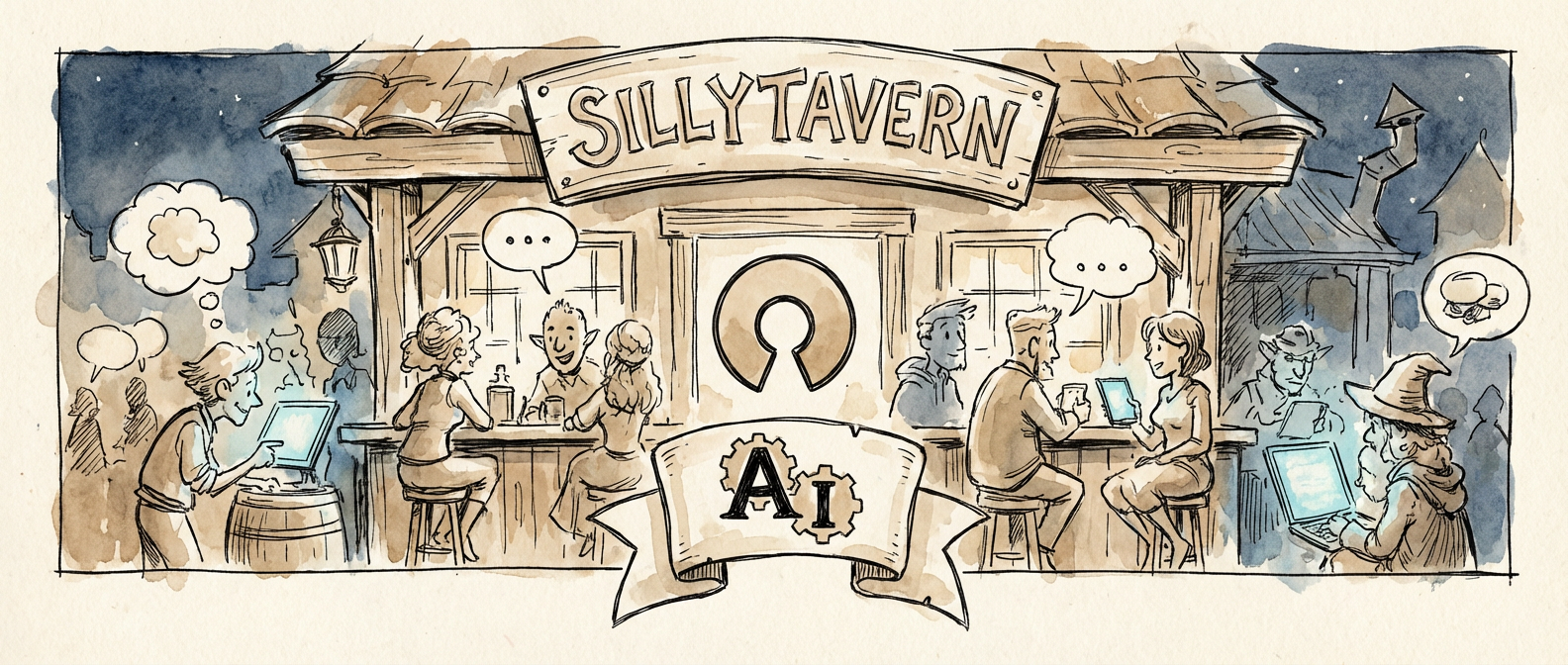
Before the opinion, the numbers. Because opinions without data are just feelings, and feelings make for entertaining arguments but terrible predictions. The SillyTavern GitHub repository has over 15,000 stars from developers worldwide. This isn’t casual interest. It’s a global community of contributors actively building what might be the biggest shift in conversational AI since ChatGPT launched.
The evidence here is worth looking at carefully. The numbers tell part of the story, but only part.
SillyTavern is an open-source frontend that connects users to both local and API-based language models specifically for character roleplay. While tech giants pour billions into proprietary AI assistants designed for productivity and information retrieval, a grassroots movement has emerged around something completely different. Creative expression. Storytelling. Digital companionship without corporate oversight.
The platform’s architecture reflects a philosophy of user control and choice. Rather than locking users into a single AI provider, SillyTavern supports connections to KoboldAI, Oobabooga, Claude, OpenAI, and dozens of local model servers. This flexibility has proven essential as the AI world shifts rapidly, with new models appearing monthly and established services changing their policies.
Character Cards: The Secret Sauce of Personalized AI
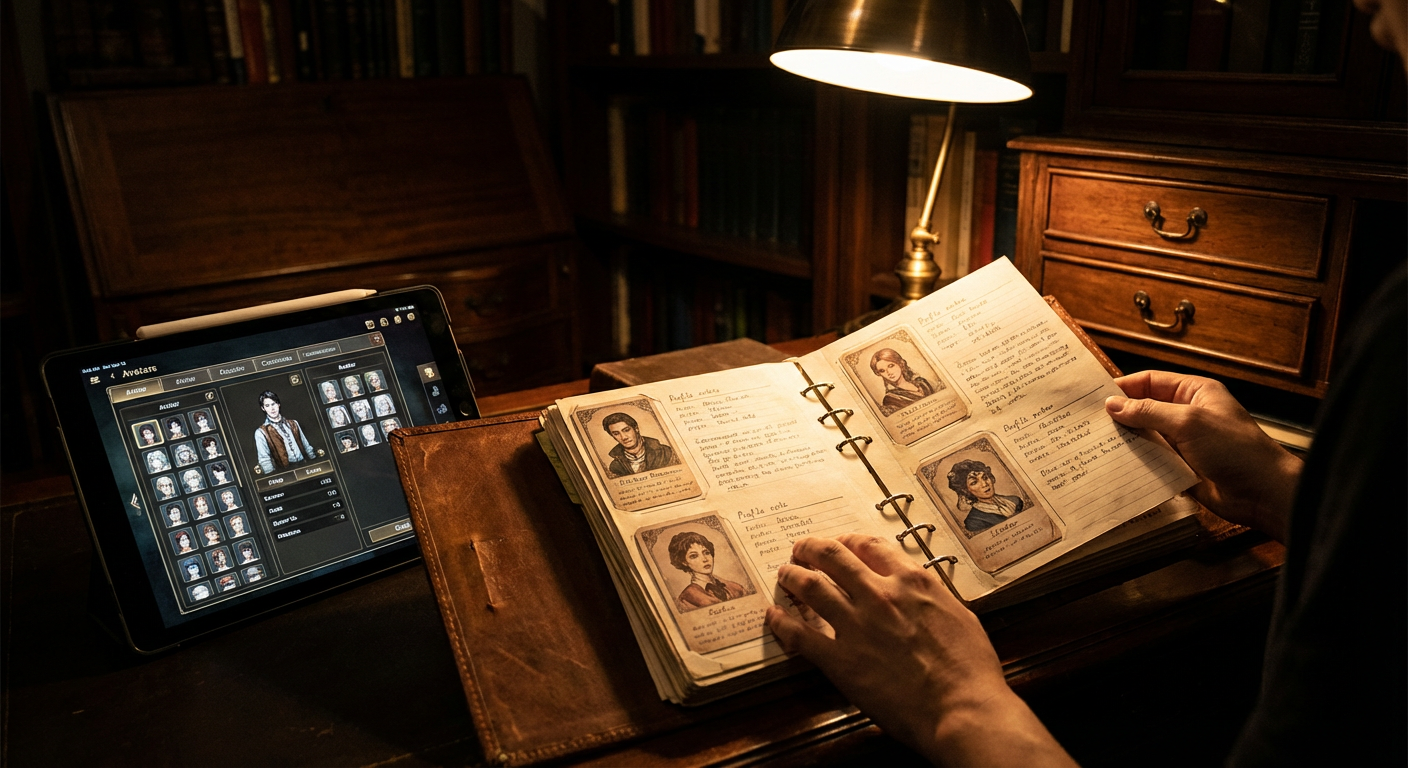
The technical innovation driving SillyTavern’s growth lies in its character card system. These files contain detailed personality descriptions, dialogue patterns, and behavioral instructions that transform generic language models into specific personas. Users can craft anything from historical figures to fantasy characters to entirely original creations, all without writing a single line of code.
The community has embraced this accessibility with remarkable enthusiasm. Thousands of pre-built character cards now exist across every conceivable genre and setting. Medieval knights coexist with cyberpunk hackers, literary classics mingle with contemporary fiction, and original characters span the full spectrum of human imagination. This has eliminated the traditional barriers between users and sophisticated conversational AI.
What makes this particularly interesting is the creative control it provides. Unlike chatbots designed by corporate teams with specific guidelines and restrictions, SillyTavern characters reflect the imagination and preferences of their individual creators. The result is a diversity of AI personalities that no single company could develop internally, each tailored to specific use cases and creative visions.
The Technical Reality: Power Comes with Complexity
Self-hosting a complete SillyTavern setup reveals both the platform’s power and its current limitations. Users must configure multiple software components, manage model servers, and navigate compatibility issues between different AI backends. This technical complexity is both a feature and a barrier, depending on perspective.
For technically minded users, this complexity translates to unprecedented control. They can run everything locally, ensuring complete privacy and avoiding content restrictions imposed by commercial AI services. They can experiment with cutting-edge models hours after release and fine-tune performance for their specific hardware configurations.
However, this same complexity creates friction for less technical users who simply want to explore creative AI roleplay without becoming system administrators. The gap between SillyTavern’s potential and its accessibility explains why hosted solutions like Hearthside Chat — hosted SillyTavern have emerged to bridge this divide, offering the platform’s capabilities without the technical overhead.
Beyond Entertainment: The Broader Implications
The growth of SillyTavern represents more than a successful open-source project. It shows how quickly communities can organize around emerging technologies to create alternatives to corporate-controlled AI systems. This has implications far beyond roleplay and entertainment.
The platform’s success challenges assumptions about AI development and deployment. While major technology companies focus on building general-purpose AI assistants, SillyTavern shows the power of specialized tools designed for specific creative applications. The community-driven character development process has produced AI personalities with depth and consistency that rival or exceed many commercial offerings.
Perhaps most importantly, SillyTavern preserves user agency in an increasingly centralized AI world. Users control their data, their characters, and their interactions without external moderation or content filtering beyond their own choices. This autonomy becomes more valuable as commercial AI services implement stricter guidelines and content restrictions.
The Open-Source Advantage in AI’s Future
The trajectory of SillyTavern suggests that open-source development may be particularly well-suited to creative AI applications. The diversity of use cases, the importance of customization, and the value of community contribution all favor distributed development over centralized corporate efforts.
Commercial AI companies face inherent tensions between user creativity and content liability, between personalization and scale, between innovation and control. Open-source projects like SillyTavern sidestep these tensions by distributing both development and responsibility to users and communities.
As language models become more capable and accessible, the tools for creative interaction with these models become increasingly important. SillyTavern has established itself as a leading example of how open-source communities can build sophisticated AI applications that serve user needs rather than corporate objectives. The platform’s continued growth suggests that this approach may define how creative AI tools develop.
The revolution isn’t just about roleplay. It’s about who controls AI creativity, who decides the boundaries of AI interaction, and who benefits from the technology’s development. SillyTavern has provided one compelling answer to these questions, and the community’s response indicates a hunger for alternatives to corporate-controlled AI that extends far beyond any single application or use case.
worth exploring is built around the open-source roleplay frontend — a good option if you want a managed setup rather than running the stack yourself.
Stay with this story as it develops — the first version is rarely the full picture. Sign up for our daily briefing.